

If you’re here reading this article, then we can all agree that we know that mountain biking is a thrilling sport combining physical exercise with the excitement of exploring nature. However, the fun of mountain biking hinges significantly on choosing the right trails suited to a biker’s skill level. This is where understanding the Mountain Bike Trail Difficulty Rating System, specifically the system advocated by the International Mountain Bicycling Association (IMBA), becomes essential.
The Role of IMBA in Mountain Biking
The International Mountain Bicycling Association (IMBA) plays a crucial role in the development and maintenance of mountain bike trails worldwide. IMBA not only works on building sustainable trail systems but also standardizes the trail difficulty rating system to help riders make informed decisions. This standardization ensures that regardless of where you are in the world, you can understand the challenges a trail might present.

IMBA’s Trail Difficulty Rating System
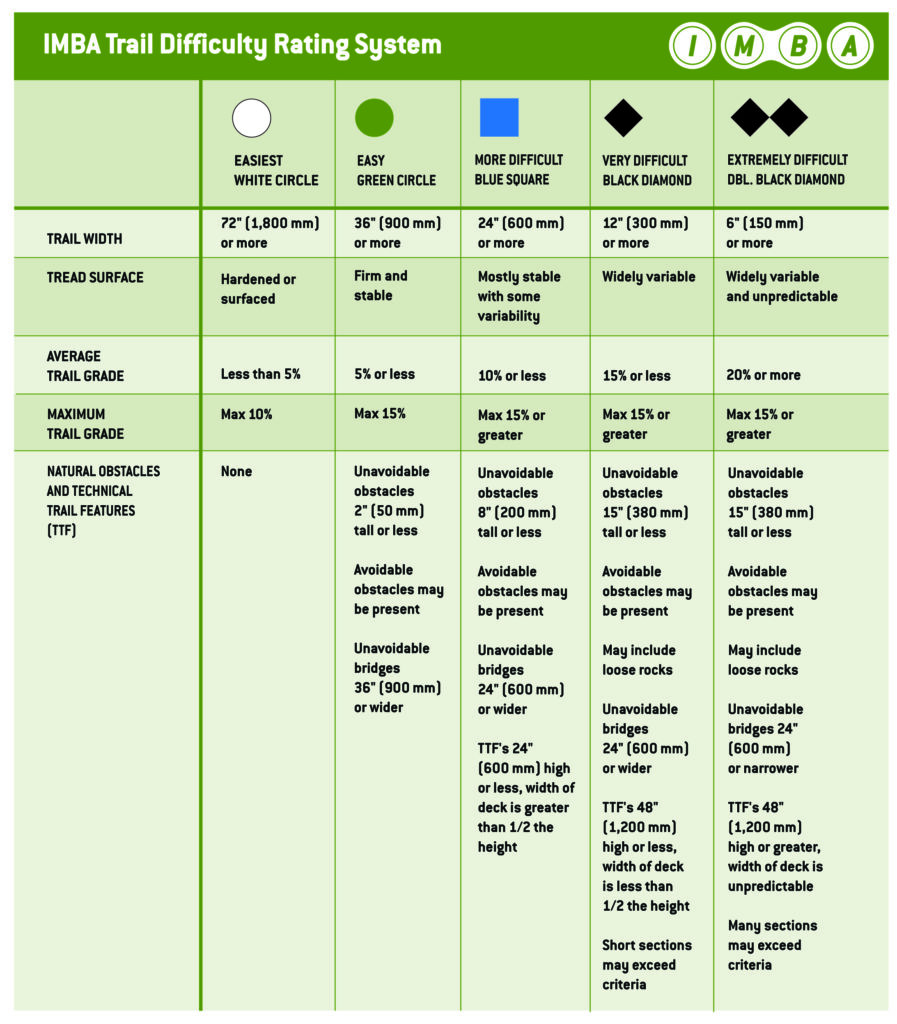
IMBA’s rating system categorizes trails into several difficulty levels, similar to those used in skiing. Each level is marked with a specific color and symbol to indicate the challenge it presents:
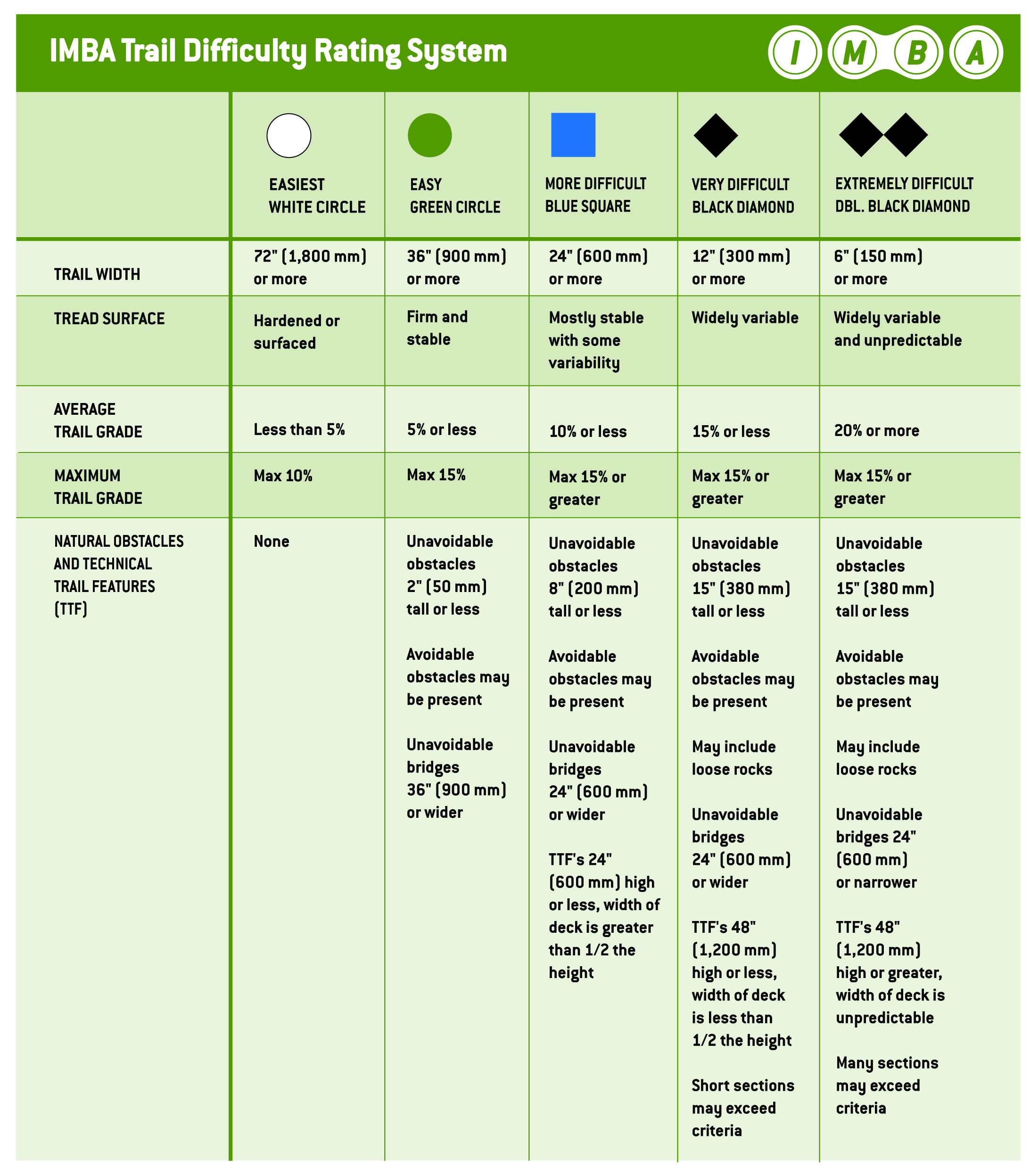
- Green Circle – Easy: These trails are designed for beginners and are often wide, with smooth surfaces and gentle grades. They are perfect for new riders or those looking for a relaxed ride.
- Blue Square – Intermediate: At this level, trails become narrower and may include obstacles like roots, rocks, and small drops. These are suitable for riders who have mastered basic control and are ready for slightly more challenging rides.
- Black Diamond – Difficult: Advanced trails designated by the black diamond symbol are for experienced riders. These involve steep inclines, larger obstacles, technical features, and potentially hazardous sections that require significant skill to navigate.
- Double Black Diamond – Extremely Difficult: The most challenging trails marked with two black diamonds are for expert riders only. These trails feature extreme steepness, large obstacles, technical complexity, and high-consequence areas that demand the highest level of skill and confidence.
How to Use the Rating System Effectively
Using IMBA’s trail difficulty rating system effectively requires more than just understanding the color and symbol markers. Here are some tips to ensure you choose the right trail for your skill level:
- Research Before You Ride: Always check the trail ratings and reviews from other bikers. Many biking apps and websites integrate these ratings, making it easier to plan your ride.
- Start Conservatively: If you are new to a region or returning to biking after a break, start with trails rated lower than your usual level to accommodate for regional variations in trail grading.
- Consider Local Conditions: Trail conditions can change due to weather, seasons, and maintenance. What might usually be a moderate trail could become significantly more difficult under wet or icy conditions.
- Know Your Limits: It’s crucial to be honest about your physical fitness and riding skills. Overestimating your ability on a difficult trail can lead to accidents and injuries.
Importance of Following the System
Following IMBA’s rating system isn’t just about personal safety; it’s also about respecting other riders and the trail system itself. Riding on trails that match your skill level helps minimize trail wear and tear and reduces the likelihood of creating hazardous conditions for yourself and others.
Enhancing Trail Experience with Proper Ratings
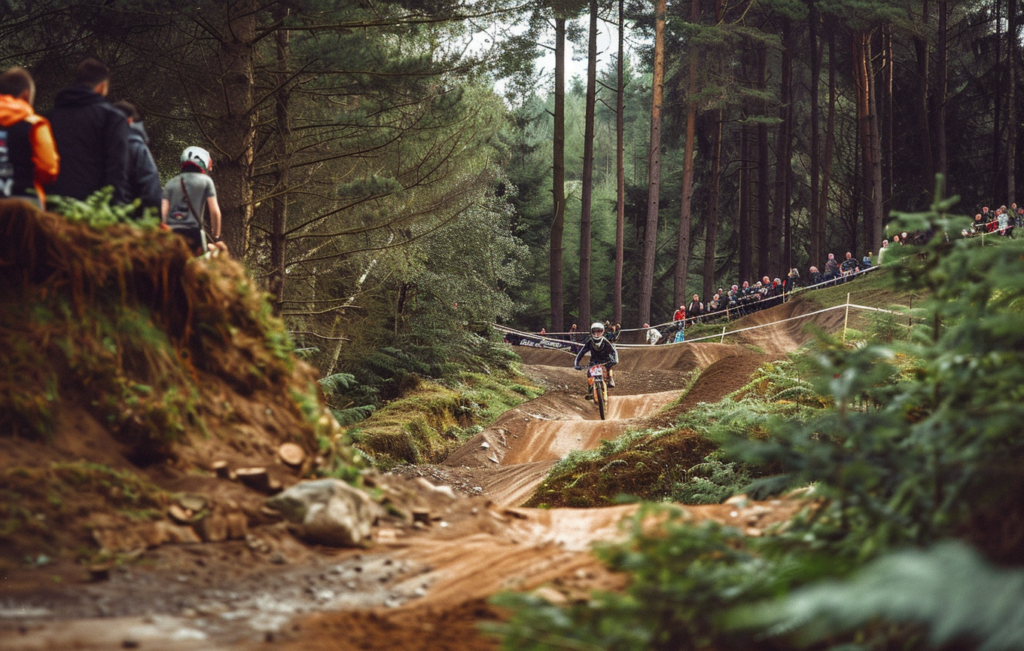
Accurate trail ratings enhance the mountain biking experience by ensuring bikers can find trails that offer the right level of challenge and enjoyment. This leads to a more satisfying ride and helps in building skills progressively, which is essential for safety and improvement in mountain biking.
Educating Young and New Riders
For families and new riders, understanding and adhering to the trail difficulty rating system is vital. It helps in setting the right expectations and prepares younger or less experienced riders for the challenges they might face, thereby enhancing the overall safety and enjoyment of the sport.
Conclusion: A Trail for Every Rider
IMBA’s Mountain Bike Trail Difficulty Rating System is a cornerstone of global mountain biking culture. It empowers riders to make smart choices, leading to safer and more enjoyable experiences. As mountain biking continues to grow in popularity, the importance of such standardized systems cannot be overstated—they allow the sport to be accessible, inclusive, and safe for everyone.
Mountain biking is not just about physical strength or endurance; it’s also about making wise choices. By understanding and using the IMBA trail difficulty rating system, riders can ensure that each biking adventure is not only exciting but also appropriate for their level of skill. This leads to a more inclusive and sustainable mountain biking community where everyone can thrive, from the novice seeking their first thrill to the expert pushing their limits.